Recreation As An Ally For Environmental Protection
Gary Sprung
Presented at the conference, "Outdoor Recreation: Promise and Peril in the New West"
University of Colorado School of Law
June 8, 1998
Common Roots of Recreation and Conservation
"Climb the mountains and get their good tidings. Nature's peace will flow into you as sunshine flows into trees. The winds will blow their own freshness into you, and the storms their energy, while cares will drop off like autumn leaves."
- John Muir, in "Our National Parks," 1901
John Muir, who wrote those words in 1901 in his book "Our National Parks" was a preeminent outdoor recreationist. John Muir could hike 50 miles in a day. He noted:
"Everybody needs beauty as well as bread, places to play in and pray
in,
where nature may heal and give strength to body and soul alike."
- John Muir, in "The Yosemite," 1912
Muir and his allies founded the Sierra Club and established the practice of taking organized trips to the mountains for recreation. Today, the outings program continues as one of the cores of the Club. The Sierra Club knows that familiarity with natural landscapes builds love and devotion to Nature.
Recreation and conservation have held hands since the begining, and still do. Today's awareness of the environmental and social problems inherent in recreation do not alter our common interests. Our increasing understanding of recreation problems should help us to distinguish good and bad recreation practices, to resolve or mitigate recreation conflicts, and to enhance the power of recreation to support environmental causes.
The Place No One Knew
David Brower, executive director of the Sierra Club in the 1950s and '60s was a great recreationist, with 70 climbing first ascents to his name. David Brower in 1956 achieved one of the great, initial victories for environmentalism, the defeat of proposed dams in Dinosaur National Monument in northwest Colorado. This prevented a repeat of the tragedy of Hetch Hetchy, the violation of our national parks. But at the same time, Brower failed to prevent what was perhaps the greatest environmental tragedy of this century.
Brower achieved his victory by building a political machine capable of influencing Congress. Today, he thinks he had the votes to also get Congress to remove the Glen Canyon dam from the Colorado River Storage Project Act. But, as he puts it, he did not pick up the telephone to make that happen. We lost a unique ecosystem, a place of immense beauty and solitude, where the cool waters of the Rockies flowed through one of the most remote, inhospitable landscapes of the United States. Glen Canyon was, literally, a temple in the desert.
Only a very small number of people had visited the place; and only a handful had floated its tranquil, serene waters, which contrasted elegantly with the torments just below in the Grand Canyon. Brower wrote, in the conservation classic "The Place No One Knew,"
"Glen Canyon died in 1963 and I was partly responsible for its needless death. So were you. Neither you nor I, nor anyone else, knew it well enough to insist that at all costs it should endure. When we began to find out it was too late."
- David Brower, in "The Place No One Knew," 1963
David Brower did not pick up the telephone because he had not recreated there.
The Birth of Environmentalism and the Growth of Outdoor Recreation
In the 1960s, new, lightweight gear and plastics, plus affluence and leisure time, and cheap oil, afforded Americans the opportunity to visit wild lands much more frequently. Backpacking and hiking strongly built the environmental movement, which fully blossomed late in the decade.
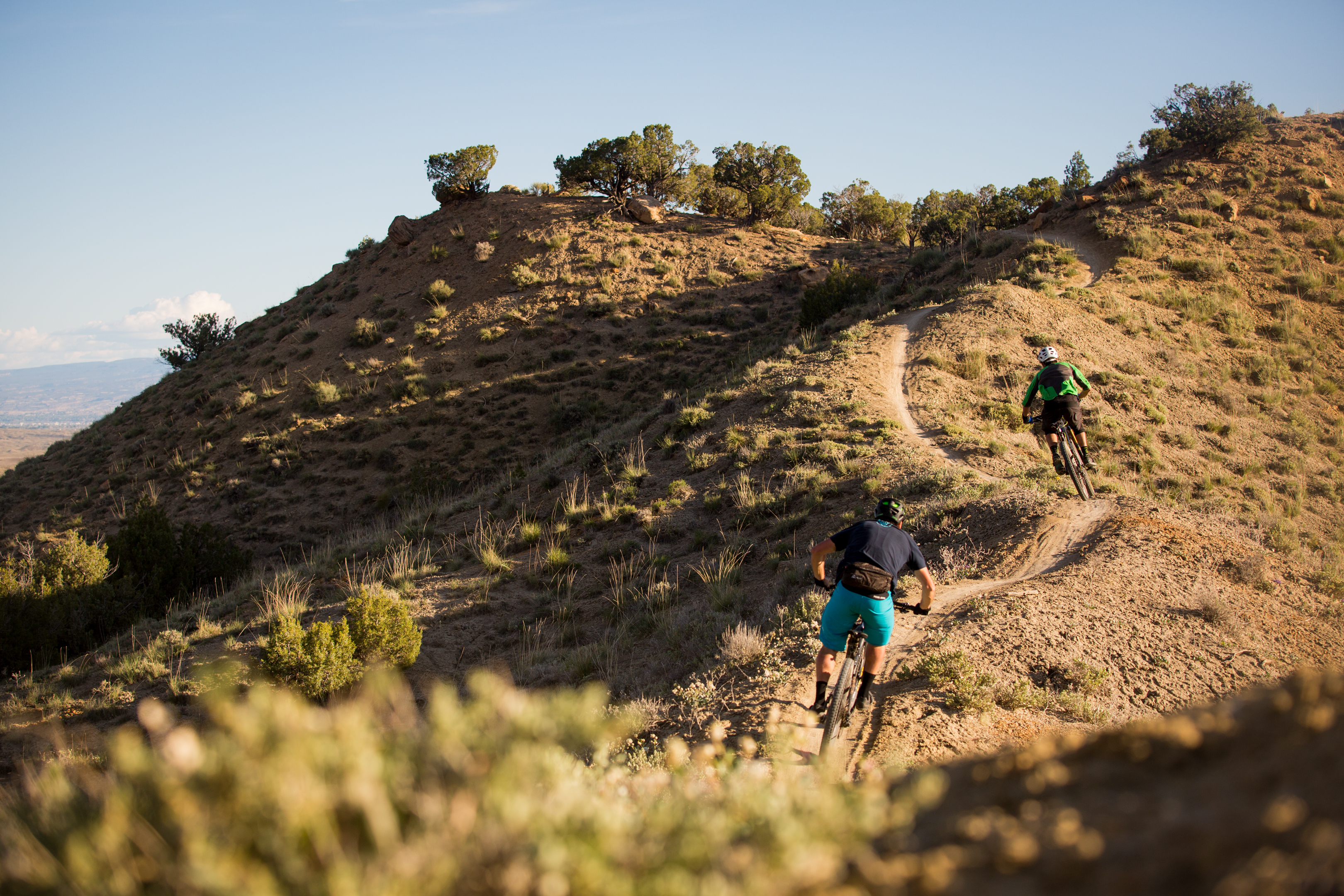
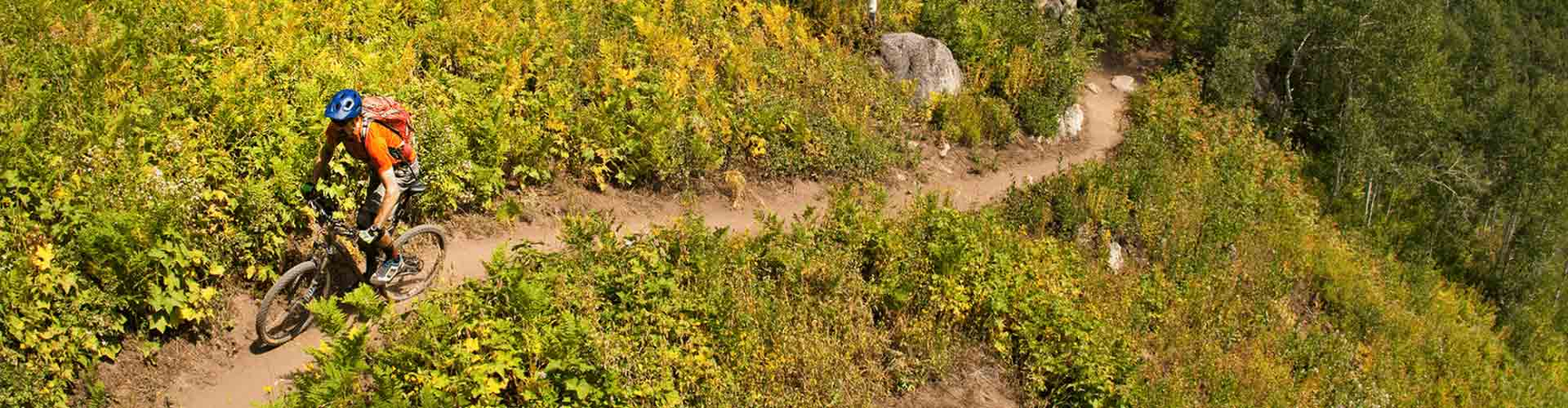
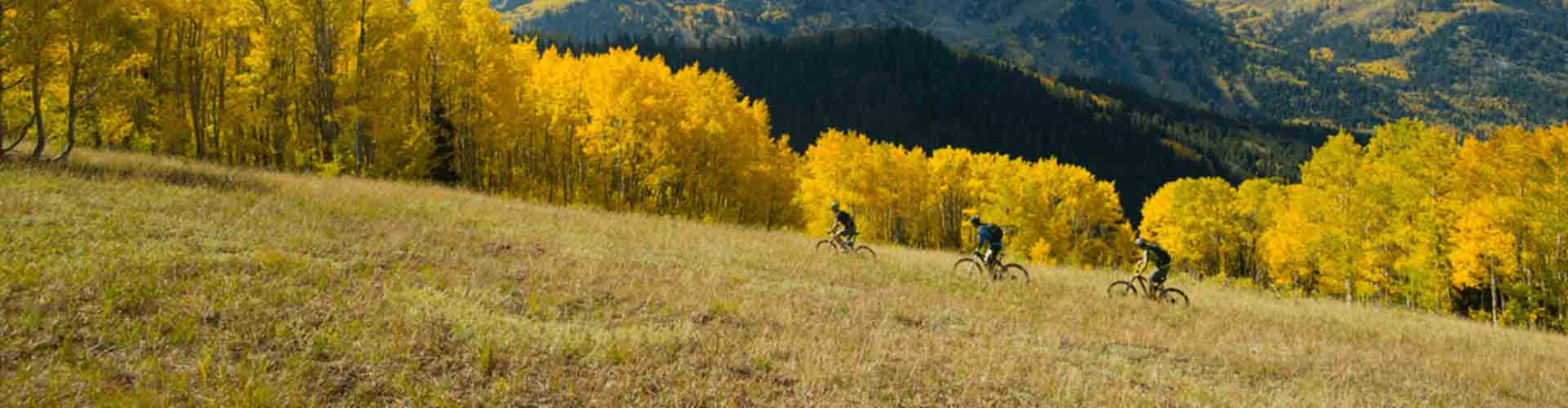
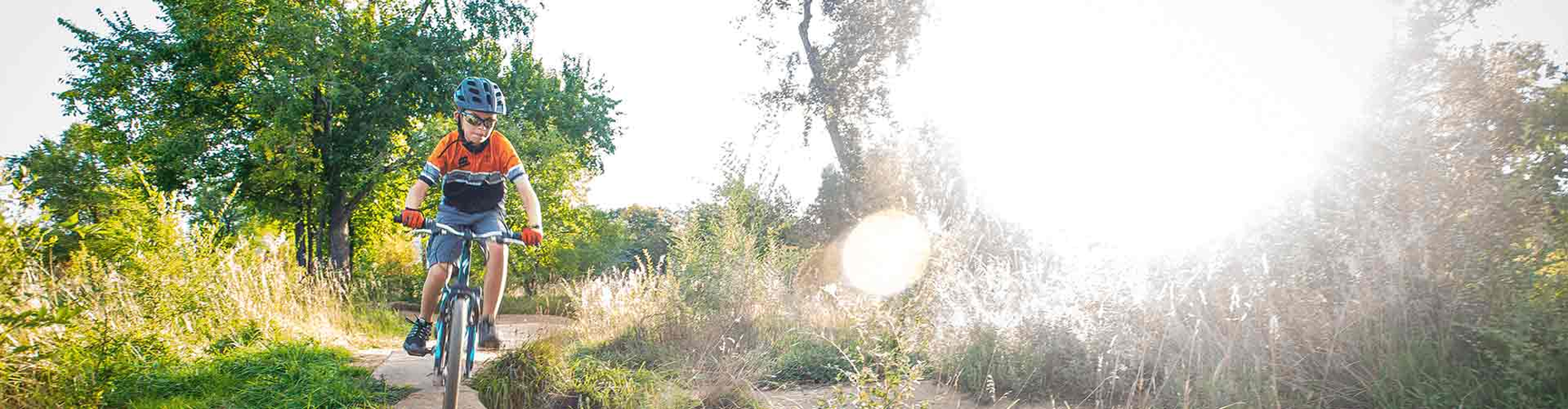
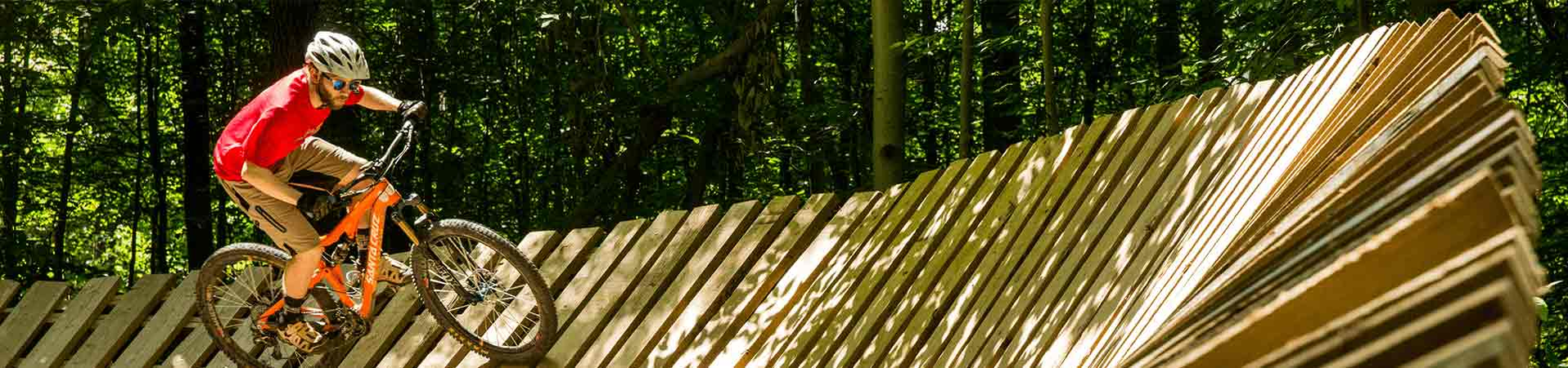
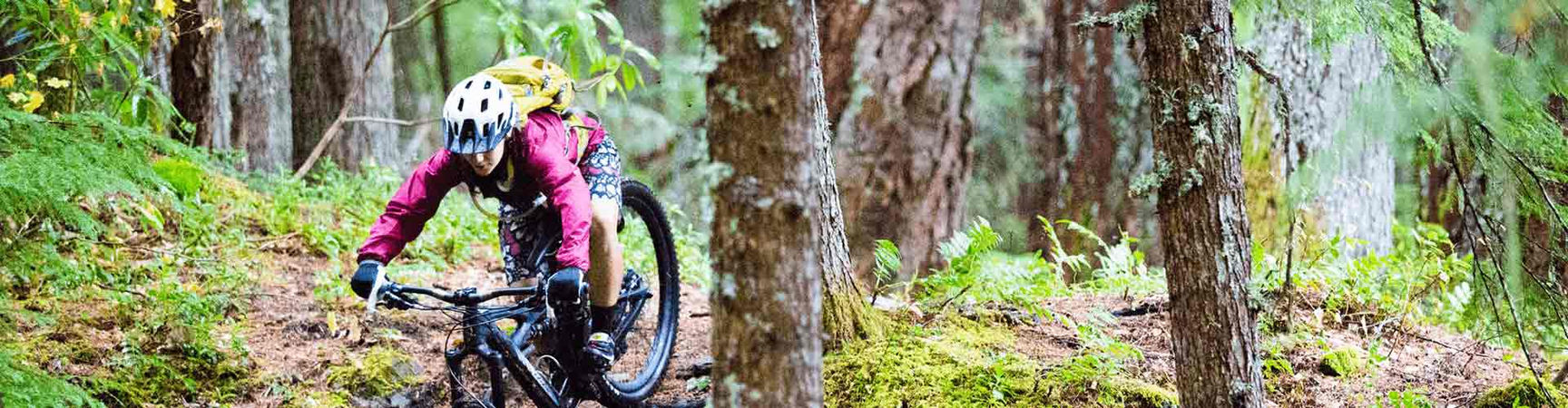
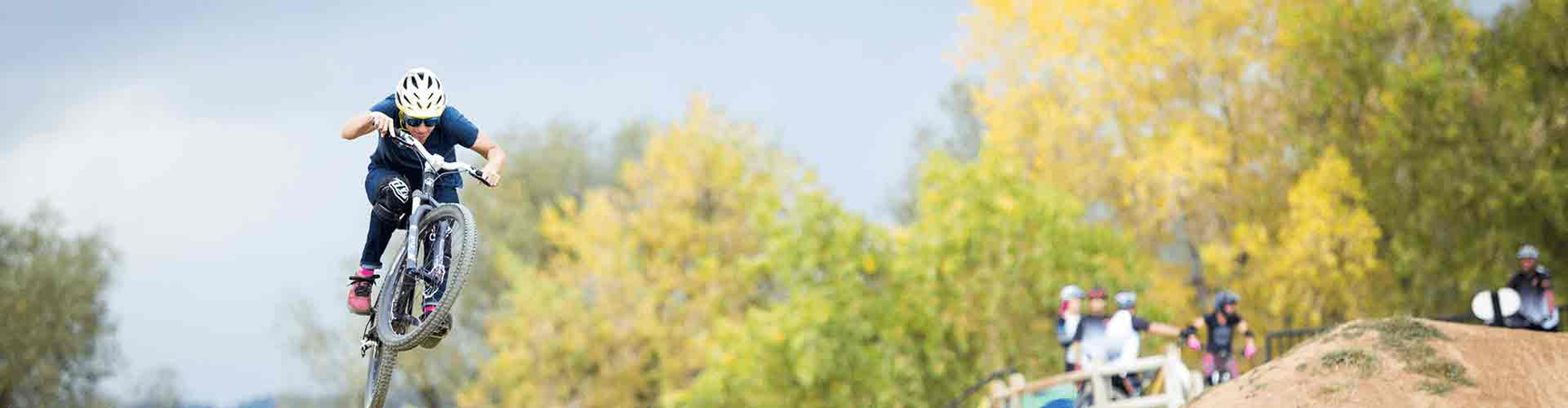
Today the forms of recreation are more diverse. I hope that mountain bicycling will build environmentalism in the way backpacking built it in the 1960s and 70s. A major difference from traditional hiking is that mountain biking occurs not only on wild lands, but also on roaded lands, and this gives cyclists more experience of logging, grazing, mining and other impacts to our public landscapes. Meanwhile, the environmental movement is broadening is efforts from wilderness preservation to reform or elimination of those development practices.
Distinguishing Industrial Tourism from Outdoor Recreation
Not all outdoor recreation is equal. While National Parks and natural marvels in general may have been the genesis of tourism, tourism today is based on human attractions. The essence of this is Disneyland. But even our natural places are increasingly invaded by what Edward Abbey termed "industrial tourism."
Downhill ski resorts exemplify the trend. But as many have noted, the problem at ski resorts is not the skiing, and barely even the landscape alterations of the ski area. Instead, it is the accompanying urban sprawl, the real estate development.
In 1988, the Colorado State Legislature designated my home town, Crested Butte, the official "Wildflower Capitol of Colorado." Crested Butte abounds in natural beauty, but that most precious commodity which is the foundation of our tourism economy is threatened by its own success. Real estate development is encroaching everywhere there is private land. A meadow on Snodgrass Mountain offers what may be Crested Butte's most spectacular display of wildflowers, but that land is private property owned by the ski area, Crested Butte Mountain Resort. This summer, it will be bulldozed into lots for the rich to build luxury homes in a subdivision called "The Reserve." When The Reserve went through town development review, public outcry came from recreationists who had photographed those flowers, and hiked and biked on the singletrack trails. The resort had allowed public recreation there for decades, but it had also long ago gained zoning approval to develop that land.
This development perhaps embodies the good and bad sides of recreation, with non-motorized recreationists defending an ecosystem against industrial tourism. It makes me so sad.
We see industrial tourism heavily present in our public land agencies, with their massive road building budgets and insufficient environmental preservation budgets. Environmentalists properly ask, "Is recreation just another scourge on the planet?"
For guidance, consider please the words of Aldo Leopold:
"It would appear, in short, that the rudimentary grades of outdoor recreation consume their resource-base; the higher grades, at least to a degree, create their own satisfactions with little or no attrition of land or life... Recreational development is a job not of building roads into lovely country, but of building receptivity into the still unlovely human mind."
- Aldo Leopold, "A Sand County Almanac", 1949
Following Leopold, we should examine the merits of any particular recreation form or proposal by not only its impacts on the fabric of life, but also by its affects on our souls or spirit. In this regard, much of outdoor recreation is a mixed bag.
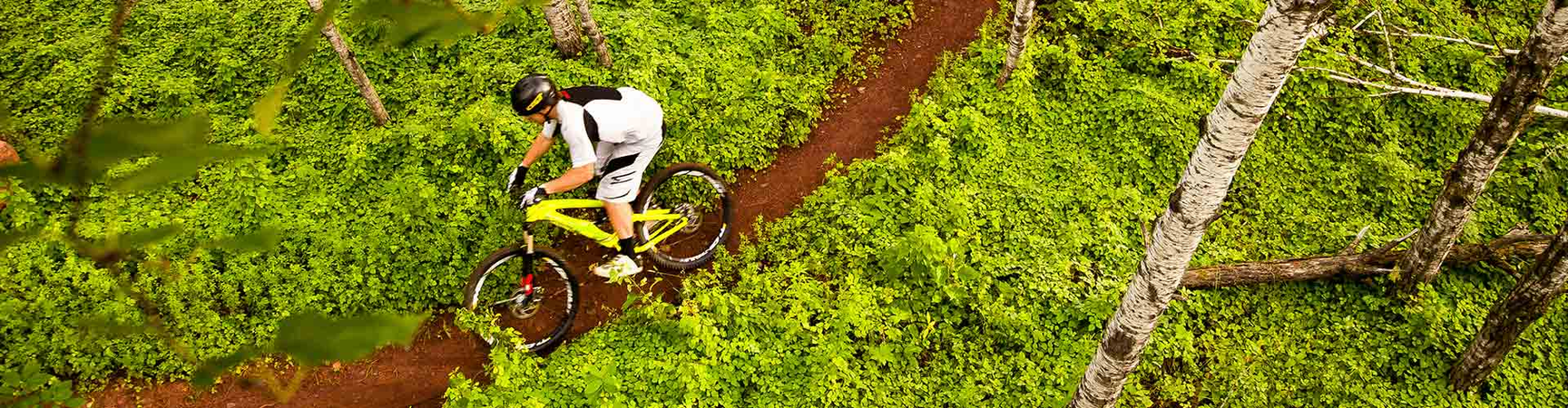
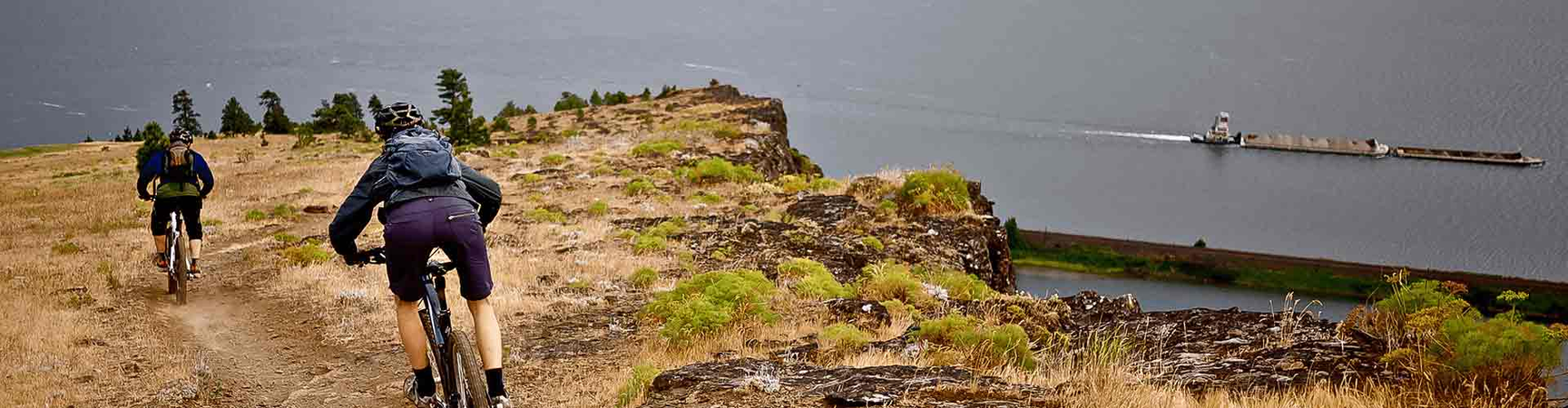
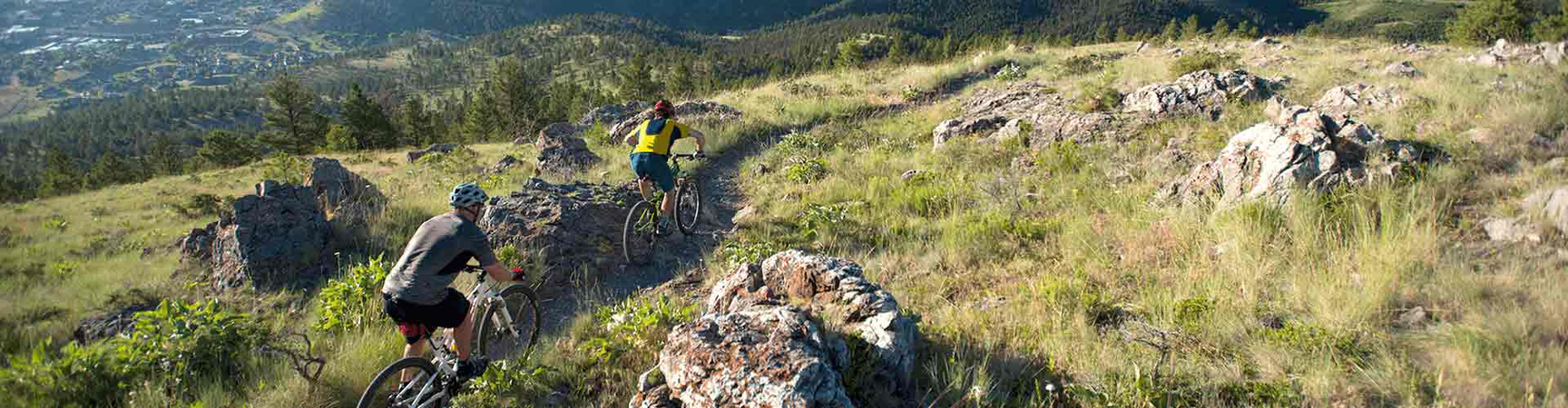
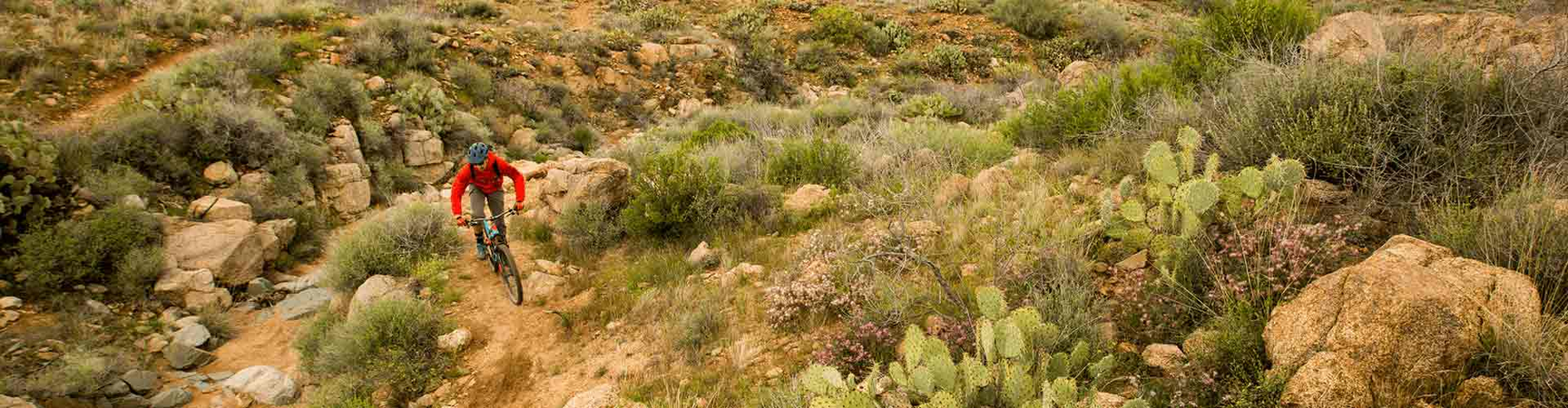
We see this in my sport. Most mountain bikers - at least 80% - are out there to enjoy nature, as well as to exercise their bodies. For some, however, off road riding is little more than a speed thrill and technical challenge. Andy Kulla of the Forest Service in Missoula Montana put it this way: "Are we using bicycles to experience Nature, or are we using Nature to experience our bicycling?" I would answer that it's a mixture of both for most riders, but mountain biking will inevitably instill appreciation of Nature to some extent. Hikers, too, have this issue. They seek not only contact with Nature. Hikers also appreciate the exercise, the techniques of walking well, and their high tech shoes and packs.
The picture gets more cloudy when we consider motorized recreation. Can a motorcyclist smell the flowers, feel the wind, and hear the birds? Only when he stops. Most motorcyclists do stop every so often, and their machines take them to grand places. Their eyes, when not focused on the trail, can receive visions of natural beauty.
Conflict Among Recreationists
I do not enjoy encounters with motorcyclists, ATVs and hum-vees on the trail. But I must recognized their rights as citizens to be out there on some portions of our public landscapes, and I do know that many of these motorized recreationists have some appreciation of Nature.
But our environmental movement has wholly condemned motorized recreation, and the resulting conflict has spilled over to generate intense conflicts among non-motorized recreationists.
We mountain bikers continue to be attacked by extreme environmentalists and hikers on grounds that we rape and ruin. They maintain we cause serious destruction to trail surfaces, that we scare wildlife, that we litter, and that we create a safety problem for hikers. We devote considerable effort refuting these allegations. We are unjustly banned from many places where we belong.
The roots of this conflict seem to lie in several issues of perception and ideology. For some, mountain bikers are motorcyclists without engines, whereas we know ourselves to be more like hikers with wheels - and as I shall note shortly, we prove it with our actions. Many of our opponents act out of genuine concern for protecting Nature, but too often these folks refuse to consider their own impacts when they walk upon the land. And when they accuse bikes - or any other trail user - of environmental degradation due to trail erosion, they confuse impacts to Nature with impacts to people. An eroded trail is unpleasant to use, but its impact is more like potholes in a road, less like industrial logging. Except for those cases where erosion causes siltation of streams or major new arroyos, trail damage should be considered an impact on a human transportation facility rather than an environmental problem.
Among some people, the conflict is just another form of selfishness, the unwillingness to share the trail resource with other people whose lifestyle differs from one's own.
I find this conflict meaningful at one level, because I too am a human influenced by selfish desires, and I want places to ride unfettered by noise, just as hikers want places without wheels. But for the most part it's quite unfortunate and unwise. We trail users have so much more to gain by focusing on our common interests. At the top of those common interests is our need and desire for more public lands and more protection of our public lands from threats which degrade both the environment and our recreation experiences.
The environmental movement's wholesale rejection of motorized recreation has forced many motorists into the opposite camp, and fueled the flames of the Blue Ribbon Coalition, which regularly attacks environmental values and maintains that global warming is a hoax. This did not need to happen, because most motorists are not extremists. But the damage is done, and today the Blue Ribbons of our society are courting mountain bikers - without success, yet.
Recreation and Environment Working Together
My own dislike for motorized recreation stems not from its environmental and recreational impacts, but from its politics. Far too many of these people cannot see or accept rational limits on their behavior. Motors should go everywhere, the most extreme among them say.
The problem perhaps extends to all brands of recreationists. How many climbers can accept closure of some routes to protect bird nesting sites? Probably most, but not all. And how many hikers can accept the notion that some natural places should be off-limits to everyone?
Any recreationist who cannot accept limits cannot be called an environmentalist. Fortunately, most recreationists do accept and respect limits on their behavior.
I'm glad to report that I have never met a bicyclist who thinks biking should be allowed everywhere, although you'll find many of us questioning the ban on bicycling in wilderness.
I'm proud of my constituency for its generally pro-environmental viewpoints and actions. Here are some examples:
- The Appalachian Mountain Bike Association of eastern Tennessee led a coalition which included the Sierra Club to block the transformation of a hardwood forest into a golf course, at Panther Creek State Park .
- The Concerned Long Island Mountain Bicyclists also organized and led a coalition to stop the transformation of a hardwood forest into a golf course, at Bethpage State Park, in New York, a few miles east of Queens.
- Bicyclists in Crested Butte deliberately gave up one of their favorite riding areas, Oh Be Joyful, to have it protected from mining through Wilderness designation.
- The Responsible Organized Mountain Pedalers of the southern Bay Area actively campaigned for passage of a bond to purchase more open space near San Jose, California.
- The New England Mountain Bike Association of Massachusetts erected fencing to protect endangered turtles from a demolition project.
- The Mountain Bikers of Santa Cruz, California, raised $31,000 last year to help the Save the Redwoods League save the Gray Whale Ranch. Today the cyclists are raising another $10,000 to construct improvements to trail crossings to protect the endangered red-legged frog from siltation.
These examples are by no means an aberration. According to a survey conducted by the Forest Service Pacific Southwest Experiment Station, members of the International Mountain Bicycling Association - IMBA - are "overwhelmingly biocentric":
"...believing that nature has intrinsic value exclusive of what it does for humans, that humans do not have the moral license to infringe on this right, and that many of our environmental problems are rooted in our societal tendency to dominate, control, and exploit nature. There was widespread support for the idea that there are indeed limits to growth and that a more sustainable form of society is needed. Mountain bikers generally see themselves as environmentally concerned with much of their lives organized around environmental issues."
- Holenhorst, Schuett, Olson, Chavez and Mainieri, 1996
Going to other sports, you'll find similar results. The missions of the American Hiking Society, the American Whitewater Association, the Access Fund, the Surfrider Foundation and many other local, regional and national recreation groups include both promoting recreation and protecting natural places. They encourage responsible behavior and teach methods to soften recreation impacts.
The outdoor recreation media - at least that part devoted to non-motorized recreation - often shares the pro-environment bias. For example, the Outdoor Life Network, a cable channel with millions of viewers, on Earth Day this year presented 20 consecutive hours of conservation programming. The Great Outdoors Recreation Pages, a top-notch website, recently offered on its home page an interview with Sierra Club President Adam Werbach and has pages devoted to news from The Wilderness Society.
Manufacturers of outdoor recreation products increasingly contribute to environmental efforts. Patagonia is well known among local environmental groups for their big environmental grants program. A group of these recreation companies have formed The Conservation Alliance to give major grants to environmental groups for political action and land acquisition. And when The North Face sponsored a Bill Graham rock and roll concert series, they insisted on a tent in the middle of the fair devoted to local environmental groups. I lucked out with a free ticket to bring the message of High Country Citizens Alliance to the Telluride concerts. Thanks to The North Face, in two days we educated hundreds of people about the problems of logging, mining and urban sprawl.
Hunters and anglers also contribute. The excise tax on their equipment purchases has raised millions of dollars for hundreds of thousands of acres of land acquisitions, as well as operating funds for wildlife managers. The past and likely alternative uses for these lands was agriculture or other developments.
And the ski industry ain't all bad. The former vice-president of Crested Butte Mountain Resort ran for Town Council and part of his platform was opposition to all logging in the Gunnison National Forest. You may not agree with that position, but it is undoubtedly a sign of recreation cooperating with environmentalism.
The Land and Water Conservation Fund is another realm of congruent interests. The Congress set up LWCF in 1965 to fund land and water acquisitions for both conservation and recreation, with a $900 million per year authorization. Congress never spent that much, and their average yearly spending dropped to a paltry $245 million in the 1980s and '90s. Yet last year we saw the largest appropriation ever, $866 million. This resulted, partly, from a new , Americans for our Heritage and Recreation, which brought together environmental and recreation groups.
As a last example, consider IMBA's recent decision regarding Utah wilderness. The board of directors chose to not join the Utah Wilderness Coalition, since bicycling is not allowed in wilderness. But IMBA supported protection of all of those wild lands through wilderness or other protection measures.
A Perspective on Use and Management
This speech and this conference arise partly from growing realizations that outdoor, Nature-based recreation has negative consequences for ecosystems, and the impacts may soon increase. Perhaps the central question at hand is, "What shall we do about it?"
The answer currently in vogue among some environmentalists is to tolerate no further expansion of recreation. One form of this is an attack on trails, which extremists now consider bad. Trails fragment ecosystems, they say, and we should be closing trails and building no more.
Please keep things in perspective. Yes, birds along trails in Boulder's open space are affected by the presence of so many people, and it's a problem we should address. But keep in mind the millions of birds killed each year by domestic cats, and the immense destruction of bird habitat caused by logging both here and in the tropics. Who is worse for the birds: birdwatchers, hikers and runners, loggers, or people building homes in the middle of habitat?
Boulder's open space managers have closed so many places to recreation, especially to bicycling, that people have started calling it the Boulder "closed space." This does not bode well for political support, and a few years ago Boulder voters turned down an open space bond proposal.
Efforts to close city and county parks to recreation contradict the teachings of conservation biology, which calls for core reserves, buffers and corridors connecting protected lands. I submit that Boulder's parklands are not a biosphere reserve. They should instead serve as places where people can recreate and re-create themselves, and hopefully gain fuller appreciation of their place in Nature, as well as respite from the nearby city and improvements to their physical health. Boulder open space is more of a buffer, not a core, and it's wrong to keep people out.
On the other hand, I strongly support the principle that we ought to entirely prohibit human visitation in some critical areas, and there is such a place 25 miles west of Boulder; thousands of acres near Arapahoe Peak, off-limits to protect drinking water.
Solutions better than simple closures can arise through science, education, and management. Great strides are occurring in the education of recreationists, and managers are giving more attention to protecting Nature. Increasing population and popularity of outdoor recreation may inevitably lead to unpopular, but necessary, limits on quantities of visitors.
Solutions will also need more money, but today all recreation management is under-funded. For example, the President's proposed 1999 budget for USDA Forest Service would increase recreation funding somewhat, to $267 million, but his budget would continue to fund timber and its associated roads at $416 million, and fire management at $554 million. (Even worse off is wildlife and fisheries, with a major increase in funding, but only up to $112 million.)
We need to adopt management approaches which measure success not by revenues received, or quantity of facilities and services, but rather by the quality of experiences and avoidance or mitigation of impacts to Nature.
We need more devotion to the protection of Nature from those who profit from outdoor recreation.
Recreation Ethics
Profits and sometimes greed do drive the industry, and at all levels outdoor recreation is becoming a commodity to be consumed. But recreation is not inherently or inevitably another scourge on the Earth. Much depends on what we make of it.
In Rick Knight's book "Wildlife and Recreationists," philosopher Max Oelschlaeger harshly criticizes the recreation industry as an ersatz commercialization of Nature. Yet he recognizes that recreation can yield great benefits to the human spirit. Paraphrasing Joesph Sax and Edward O. Wilson, Oelschlaeger notes that recreation
"...offers ample opportunity for contemplative encounters, occasions for human beings to reflect on life and cosmos, on meaning and significance that transcend... Recreationists begin to sense the longer and slower rhythms of time with events measured on a grander scale. ...By using the land ethic to frame recreation as re-creation, it is possible to see, however faintly, the first, light of dawn, heralding a tomorrow where humans might once again become aware of their citizenship in a council of all beings. This awareness, that they are members of a land community, might enable them to reinhabit place and again take root in the green world."
- Max Oelschlaeger, in "Taking the Land Ethic Outdoors," 1995
In challenge and adversity often lies opportunity. For the environmental movement, recreation is the foundation and the new threat. This points to a need for an approach which nutures positive potentials, rather than attacking and condemning.
We need to recognize that the spiritual benefits are not confined to the saints among us. A person riding on a jeep trip is likely to gain at least some appreciation of Nature. They're likely to stop the car at some point and breathe in some fresh air, maybe enjoy some quietude, behold some splendor. Even the downhill skier, moved upward by electric motors, will often marvel at the scenery and may gain appreciation of the small size of humanity relative to enormous mountains. All paths toward enlightenment begin with small steps.
These experiences are important to not only environmentalism, but humanity in general. We should want every human being to have such experiences; to have a full belly, a warm night's sleep under good shelter, with loving friends or family and a decent job, and then the leisure time to appreciate this most fine aspect of Life, the natural beauty of Planet Earth.
But if every human enjoyed outdoor recreation, our natural ecosystems would be in trouble. So I leave you with the thought that we must significantly reduce our numbers. The population of homo sapiens on Planet Earth must decrease dramatically. Please imagine if we had only a billion humans, instead of six billion. If there is one cause environmentalists and recreationists have in common, its population reduction. Let's work on that, and other issues, together.
"Surely all God's people, however serious or savage, great or small, like to play. Whales and elephants, dancing, humming gnats, and invisibly small mischievous microbes - all are warm with divine radium and must have lots of fun in them."
- John Muir, in "The Story of My Boyhood and Youth," 1913
References Cited
Brower, David, ed., "The Place No One Knew," Sierra Club - Balantine Books, 1963
Holenhorst, Steven; Schuett, Michael; Olson, David; Chavez, Deborah; and Mainieri, Tina, "A National Study of Mountain Biking Opinion Leaders: Characteristics, Preferences, Attitudes and Conflicts," Southwest Texas State University, San Marcos, TX, 1996
Leopold, Aldo, "A Sand County Almanac," Oxford University Press, 1968
Muir, John, "The Story of My Boyhood and Youth," Sierra Club Books (1913)
Muir, John, "Our National Parks," Sierra Club Books (1913)
Muir, John, "The Yosemite," Sierra Club Books (1901)
Oelschlaeger, Max in Knight, Richard and Gutzwiller, Kevin, ed., "Wildlife and Recreationists," Island Press, 1995
Sprung, Gary, ed. IMBA Trail News, various issues, 1991-98
"FY1999 President's Budget," USDA Forest Service