Virginia Outdoor Plan Highlights
This is a small, cut-and-paste collection of highlights from the plan. It probably won't cover all of the information you're looking for. If this is the case, download the entire plan (PDF file 14.1 MB, off-site link) and search for keywords or browse the table of contents. Happy trails!
Introduction
The Virginia Outdoors Plan (VOP) is a significant planning resource. Focused on open space, conservation and outdoor recreation planning, the VOP includes current supply and demand data and timely information on recommendations for open space resources and their use. Revised every five years, the VOP is advisory in nature and designed to provide guidance and information for communities as they strive to resolve the issues associated with the simultaneous impacts and demands of growth, economic development and environmental protection. Success in addressing these concerns requires that a community or region develop strategies to achieve the following goals:
- Spatial efficiency in land use development to include sustainable, balanced growth consistent with the carrying capacity of the natural environment
- Preservation of sensitive environments and open space
- Economic development and fiscal responsibility
- A stable and satisfying quality of life for all residents
As demands upon open space increase and land management issues become more complex, it is increasingly important to identify or develop planning strategies that will preserve, protect and enhance resources within a framework of well-managed growth.
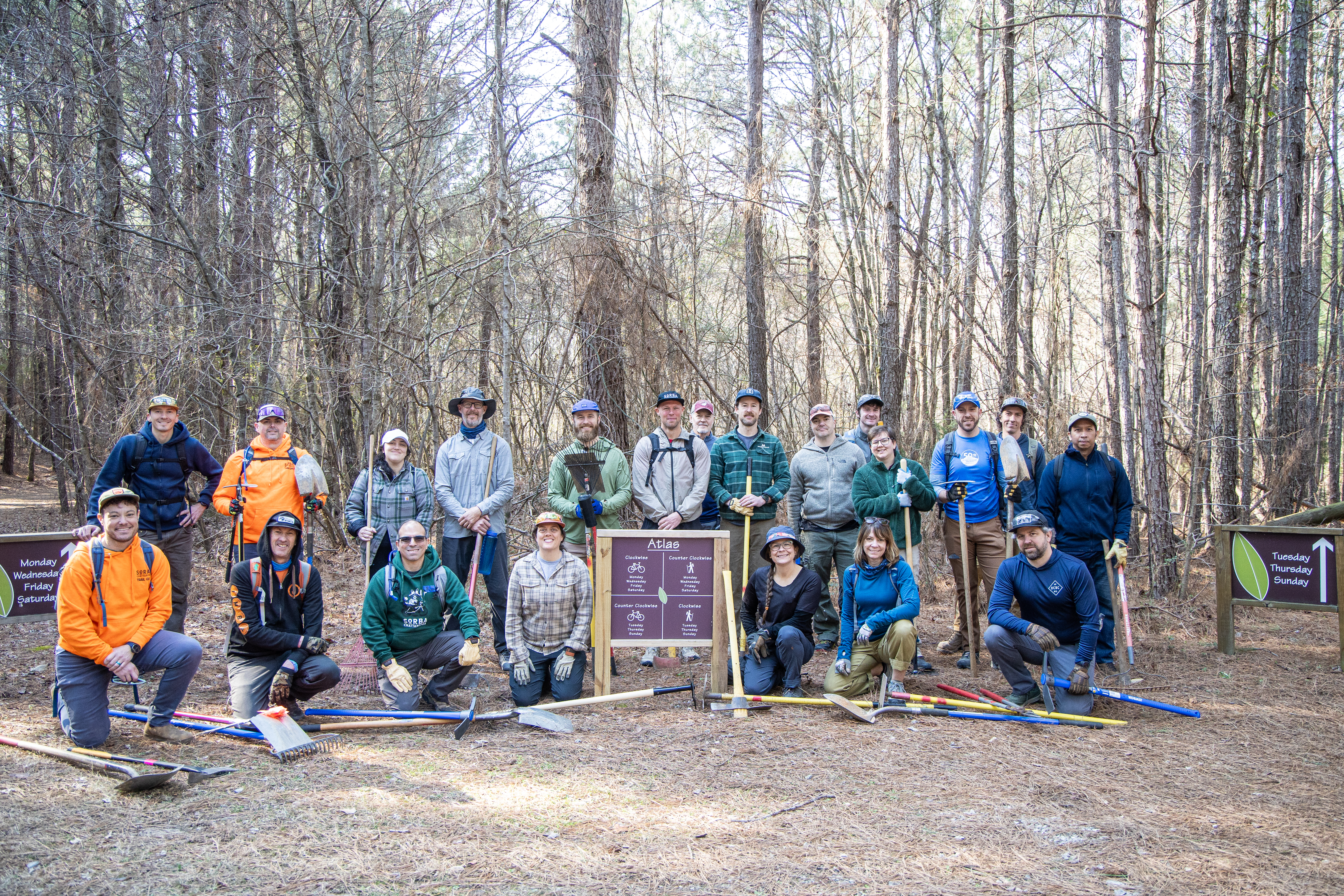
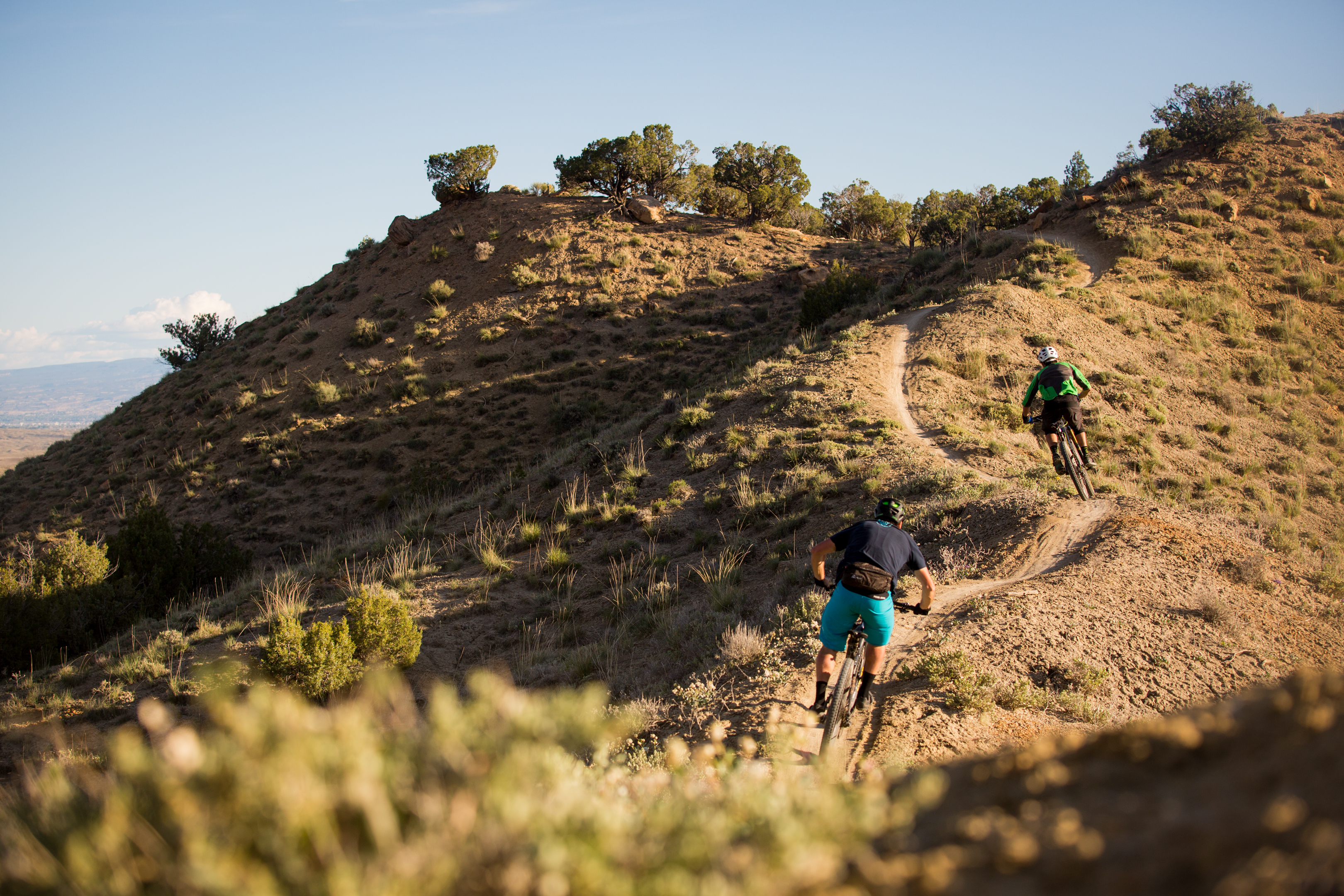
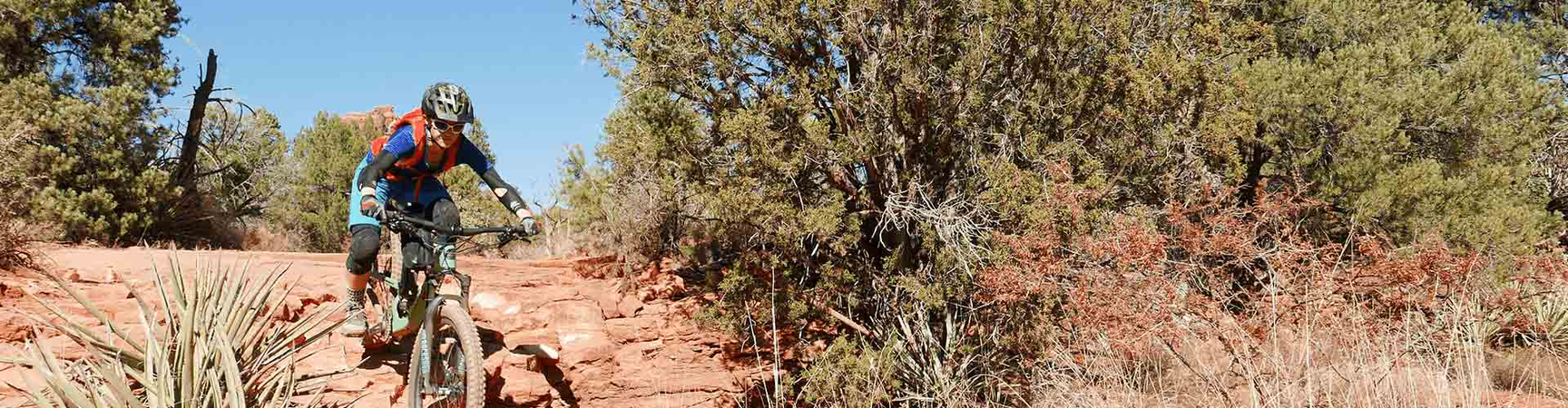
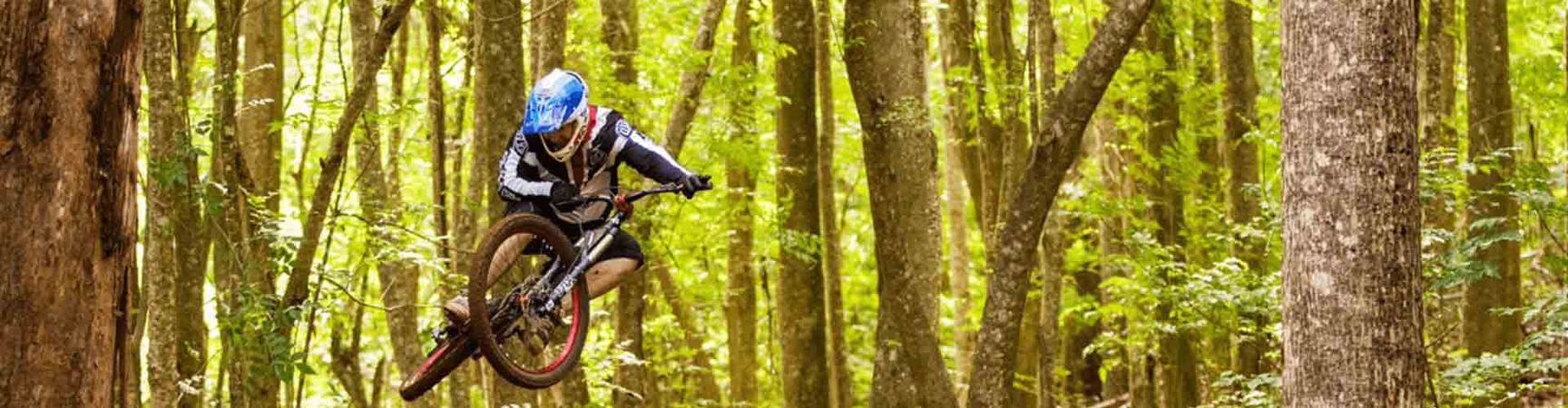
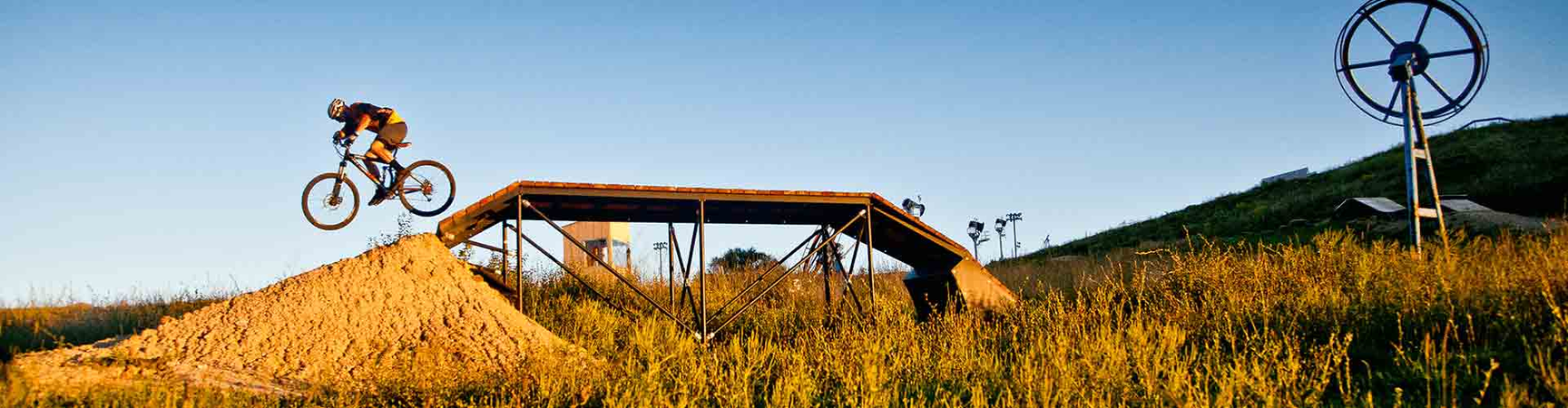
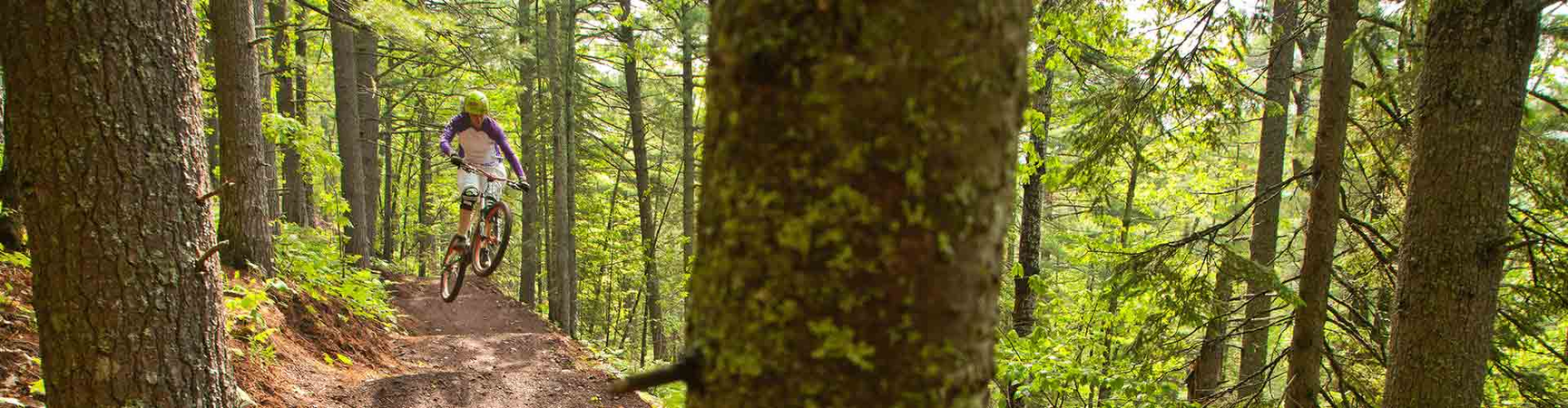
The International Mountain Bicycling Association (IMBA) has been a leader in setting standards for mountain bicycling around the world. IMBA sponsors trail construction field schools to help users and land managers learn to build trails that are safe to use and gentle on the environment. User ethics and responsibilities as well as trail construction techniques are disseminated through publications and training seminars. Many mountain bicycling clubs have formed throughout the state, and are employing IMBA's teachings in working with their public land managers to develop trail systems.
Green Infrastructure
Green infrastructure provides a comprehensive approach to land conservation that benefits all life systems and the environment. It focuses on the land conservation/land development puzzle, addressing the interrelationships and interactions between humans and the natural world. Green infrastructure provides a critical link between resource conservation and responsible development and serves as a fundamental building block for sustainable land use that is good for our environment, good for our economy, and good for our communities. This discussion of green infrastructure references ideas taken from "Green Infrastructure: A Strategic Approach to Land Conservation," by Dr. Mark Benedict, PAS Memo, a publication of the American Planning Association, October 2000.
Cooperation
Public agencies should continually seek out partnerships to develop and enhance the parks, recreation and open space systems. Sharing the sponsorship of programs and services with both private and public organizations can stretch tax dollars.
- Parks and recreation departments and schools are urged to develop school/park agreements to maximize the benefit of public recreation and facilities to local citizens. When new schools and gymnasiums are built, designs should consider how the public would access the facilities after hours, weekends and during the summer months.
- Where possible, developers should construct neighborhood trails as a part of the housing development infrastructure prior to home construction.
- Consideration should be given to the demand for trail access and use by street-legal and other motorized vehicles.
- Localities are encouraged to enter into agreements with private landowners and recreation providers to enhance the quality and quantity of recreation programs and park spaces available to the public. Landowners providing public access on their properties can receive some relief from liability under Virginia law.
- Localities should conduct recreation surveys and needs assessments to attain vital decision-making data with regard to local demand.
- Local parks and recreation commissions should be provided regular training and guidance on how to perform their duties, and should be heavily involved in local land and resource planning.
- Inactive or under-utilized military lands and other lands in public ownership can be premier recreational sites, and should be considered as potential park and open space sites providing opportunities such as equestrian trails, hiking trails, bicycling trails, off-road vehicle trails and multi-use trails.
- Communities should take steps to identify those geographic areas of the community, as well as groups within the population, that are not utilizing available parks and recreational activities and create incentives to increase participation. Developing transportation alternatives to access park and open space resources to include mass transit systems and the elimination of barriers to participation is an example of one such incentive.
- Accessibility to lands and facilities by persons with disabilities must be considered. Appendix D of the 2002 VOP further explores and provides resources that address this area.
- In urban areas, pocket parks and green spaces should be created on abandoned/unused properties or when brownfields are reclaimed. Localities should resist pressures to develop remaining open space thus enhancing their green infrastructure.
- Localities should participate and coordinate regional trail opportunities.
- DCR and other natural resource agencies should explore additional innovative methods of preserving open space and other critical resource areas to give the General Assembly, legislators and localities better tools for open space planning and management.
- State natural resource agencies should clearly define green and gray infrastructure and identify the value and interrelationship between the two as they relate to local comprehensive planning.
And much, much more. Your PDF viewer should open up a table of contents on the side of the window. Use that or the search function to find specific topics. This is a big plan!